


About
My name is Hannah Zaccardo
I am a Montessori Primary guide and Montessori-inspired mother to a wonderful toddler. I believe that Montessori principles can be taught in any environment, and with the appropriate support, can evoke a powerful change for future generations.


Core Values and Beliefs
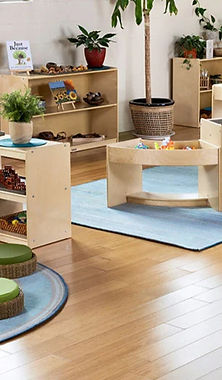
My educational philosophy is grounded in Montessori theory and informed by contemporary research on inclusive and developmentally responsive practice. I am committed to cultivating a prepared environment that is orderly, aesthetically intentional, and psychologically safe, where children experience respect, autonomy, and purposeful engagement. I view each child as inherently capable and driven by an intrinsic desire to learn, consistent with Montessori’s conception of the child as an active constructor of knowledge.
In alignment with Universal Design for Learning (UDL), I intentionally design learning experiences that provide multiple means of engagement, representation, and expression (CAST, Inc., n.d.). Within a Montessori classroom, this translates to differentiated material presentation, varied modalities of exploration, and flexible pathways toward mastery. By embedding UDL principles into the prepared environment, I ensure that instruction remains accessible while preserving the integrity of Montessori materials and developmental sequences.
Social-emotional learning (SEL) is integrated into daily practice through grace and courtesy lessons, conflict resolution modeling, and opportunities for collaborative work. These practices support the development of executive functioning, empathy, and self-regulation (Aksoy & Gresham, 2024), reinforcing Montessori’s emphasis on independence within the community. I am intentional in adapting the physical and social environment to reduce barriers and promote equitable participation for diverse learners.
Collaboration is central to authentic Montessori implementation. Montessori education is not an isolated classroom model, but a community endeavor requiring partnership among guides, specialists, administrators, and families. I maintain transparent communication through digital platforms such as Google Classroom, which functions as a reflective documentation tool, making classroom processes visible to families. In-person conferences and collaborative meetings are structured to ensure clarity, shared understanding, and collective decision making grounded in observation and evidence. These partnerships strengthen continuity between home and school and honor the family as the child’s first educator.
Montessori Philosophy Alignment
As a lead primary guide, I honor the individuality of each child by carefully observing their interests, strengths, challenges, and cultural context. Through ongoing communication with families and reflective observation within the classroom, I develop a comprehensive understanding of the whole child.
This understanding informs how I curate materials, lessons, and extensions within the prepared environment to promote mastery, independence, and purposeful work. My practice aligns with Montessori philosophy by emphasizing careful observation, responsiveness to sensitive periods, and the intentional design of an environment that is stimulating, orderly, and developmentally appropriate (Kiran et al., 2021). By allowing children the freedom to choose meaningful work within structured limits, I support self-discipline, concentration, and intrinsic motivation.
Commitment to Growth and Development
I view professional growth as an ethical responsibility within the field of education. Within the last 50 years, there has been a tremendous advancement in technology, which has made information readily available and inspired further research and adaptations within society. Montessori education, though grounded in early twentieth-century theory, continues to evolve through contemporary research in executive functioning and culturally responsive pedagogy. Remaining current in these areas allows me to refine my practice while maintaining fidelity to Montessori principles.
I actively engage with research related to inclusive education, differentiated instruction, and collaborative family partnerships. Advances in educational technology have expanded opportunities for reflective documentation, communication, and professional collaboration. I integrate these tools thoughtfully, ensuring that technological use enhances rather than replaces experiential, hands-on learning.
Just as I model curiosity, resilience, and reflective thinking for my students, I aspire to embody those same dispositions as an educator. Through ongoing study, collaboration, and critical reflection, I seek to contribute meaningfully to the Montessori community and to the broader discourse on early childhood education.

Thesis Overview


Data Driven Decision-Making Plan
Discover an assessment tool that is appropriate for Montessori environments.
Integration of Technology & Educational Trends
Plans for utilizing technology and staying up to date on current trends in early childhood and Montessori education.
Leadership and Professional Collaboration Plan
Outline of how to fulfill professional responsibilities, demonstrate leadership and foster collaborative relationships with colleagues.


Contact Us
Get in Touch Today